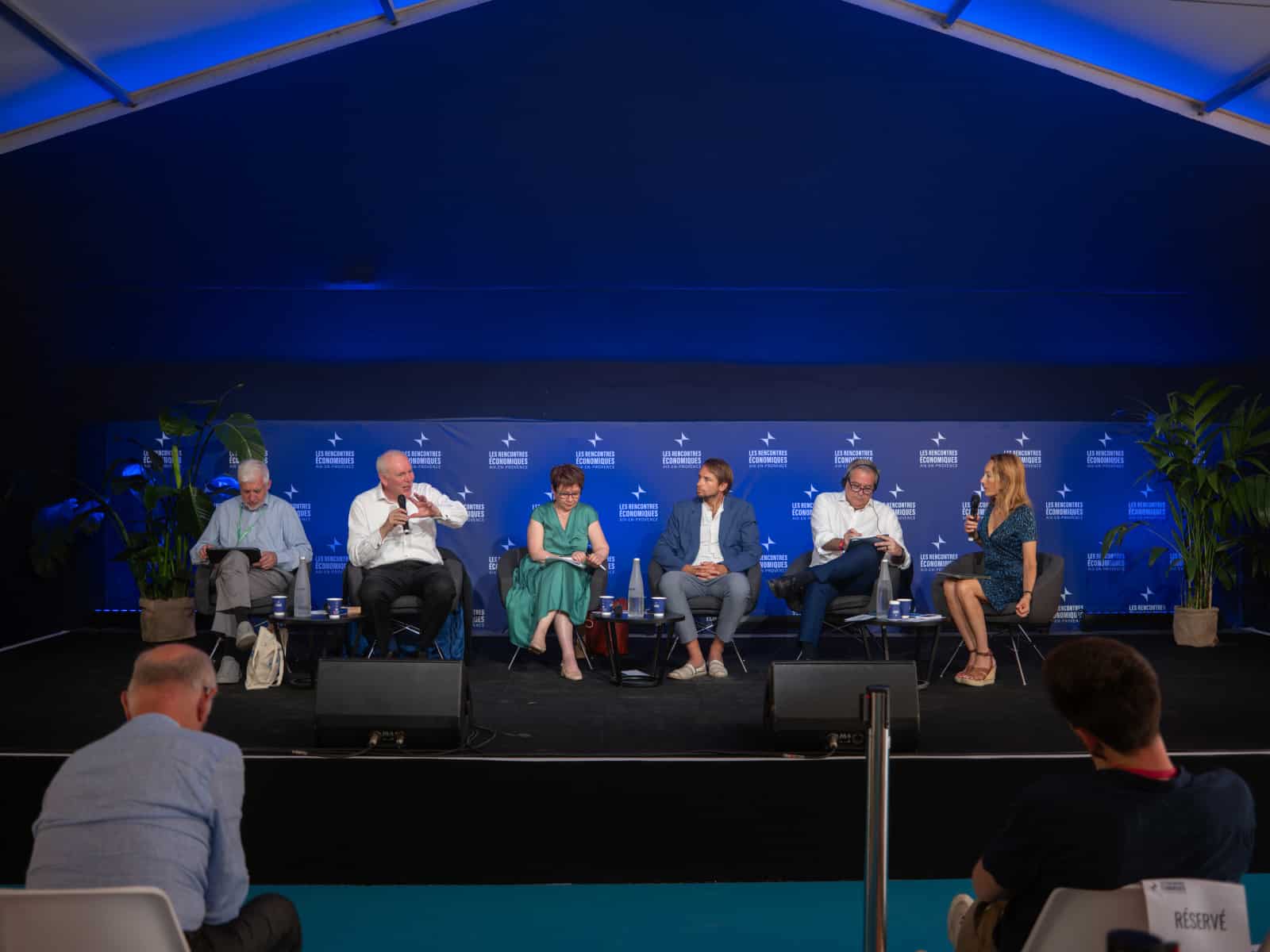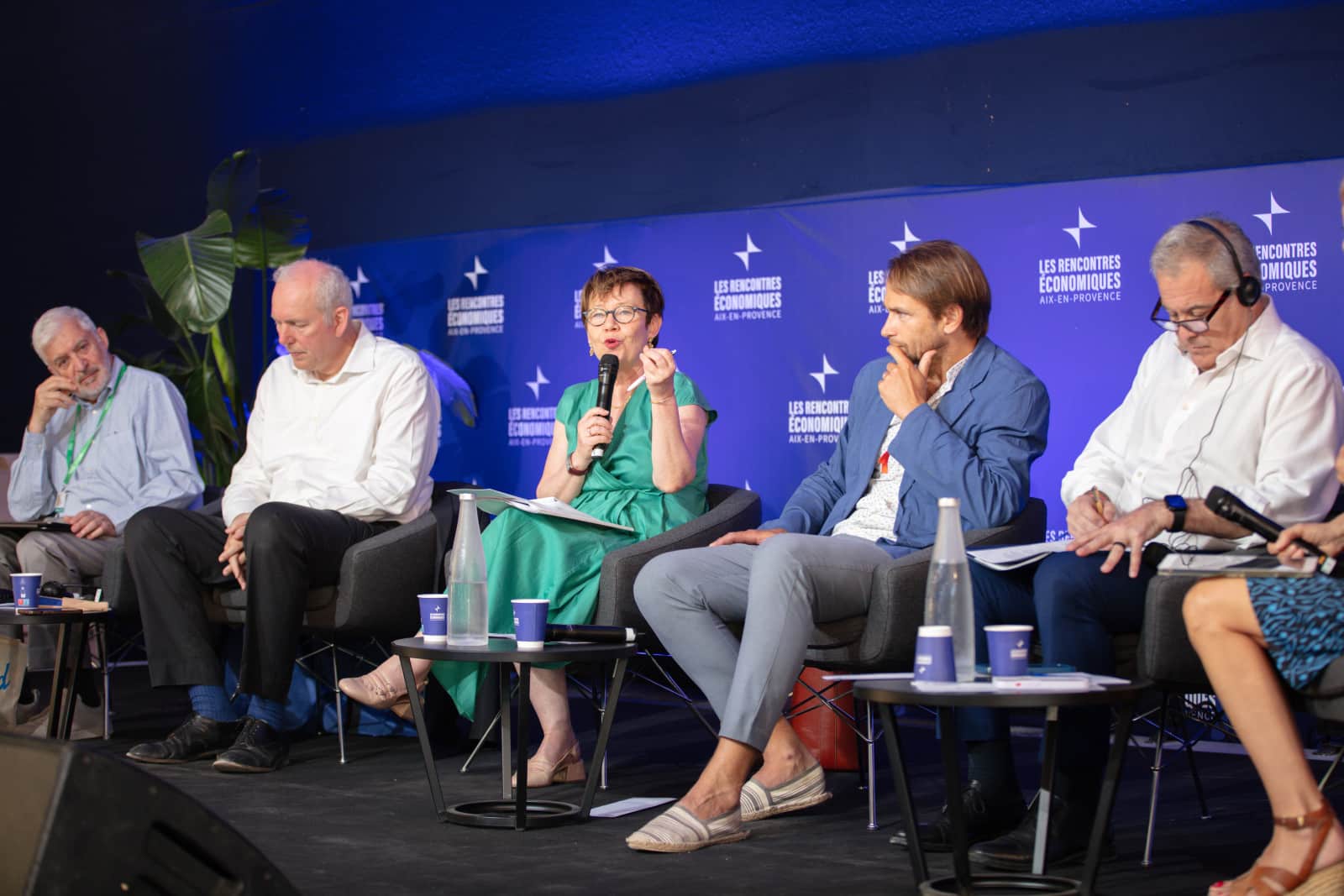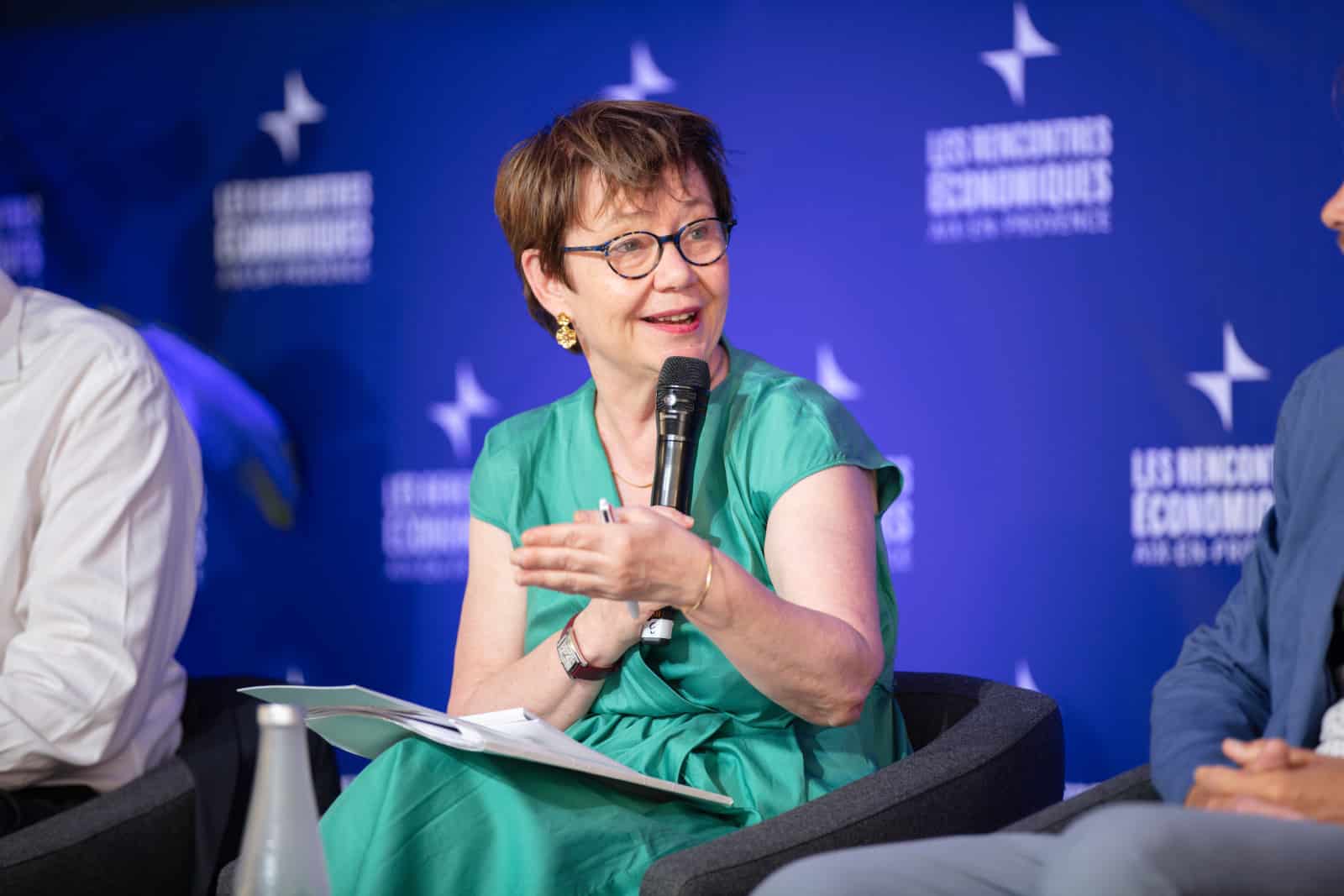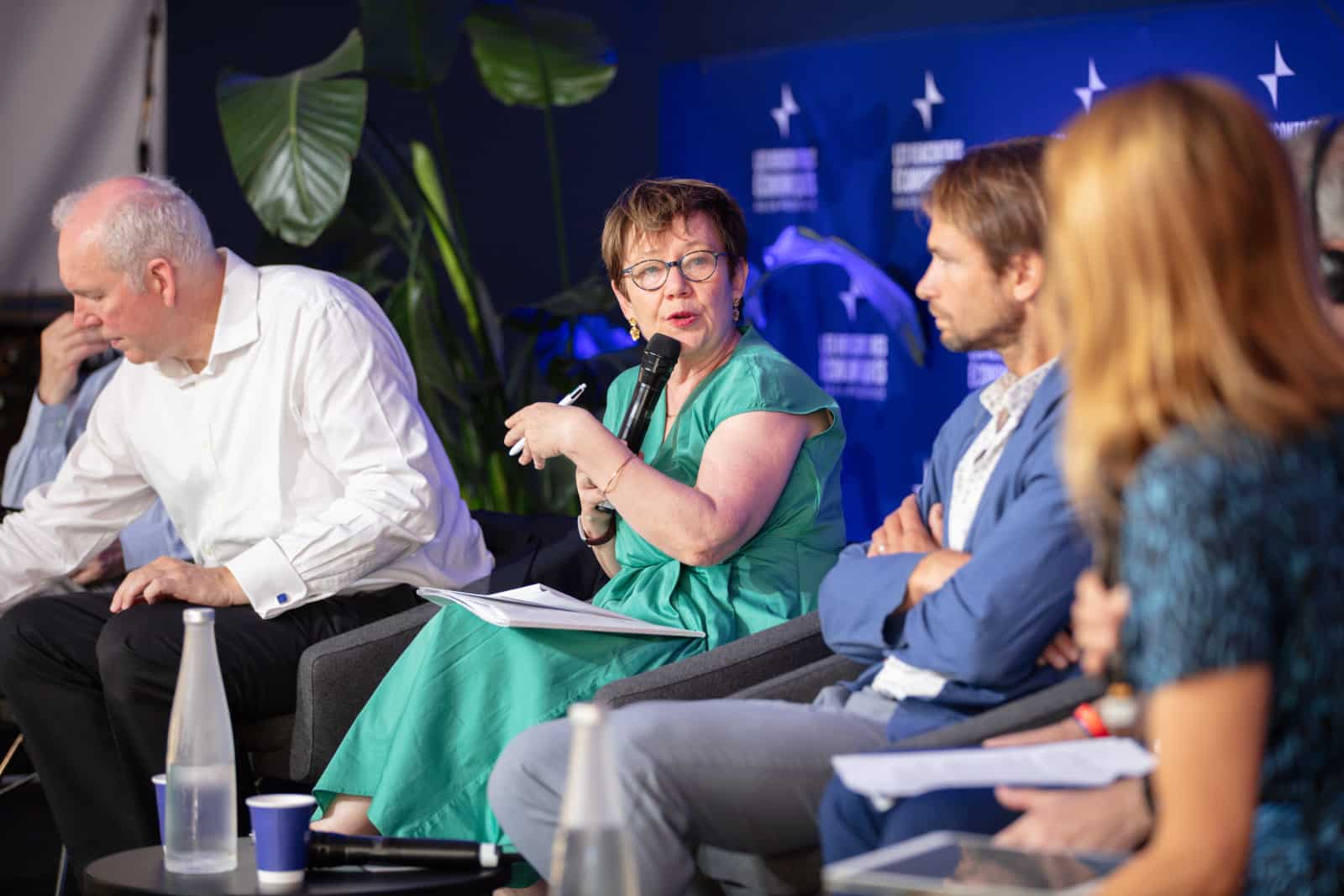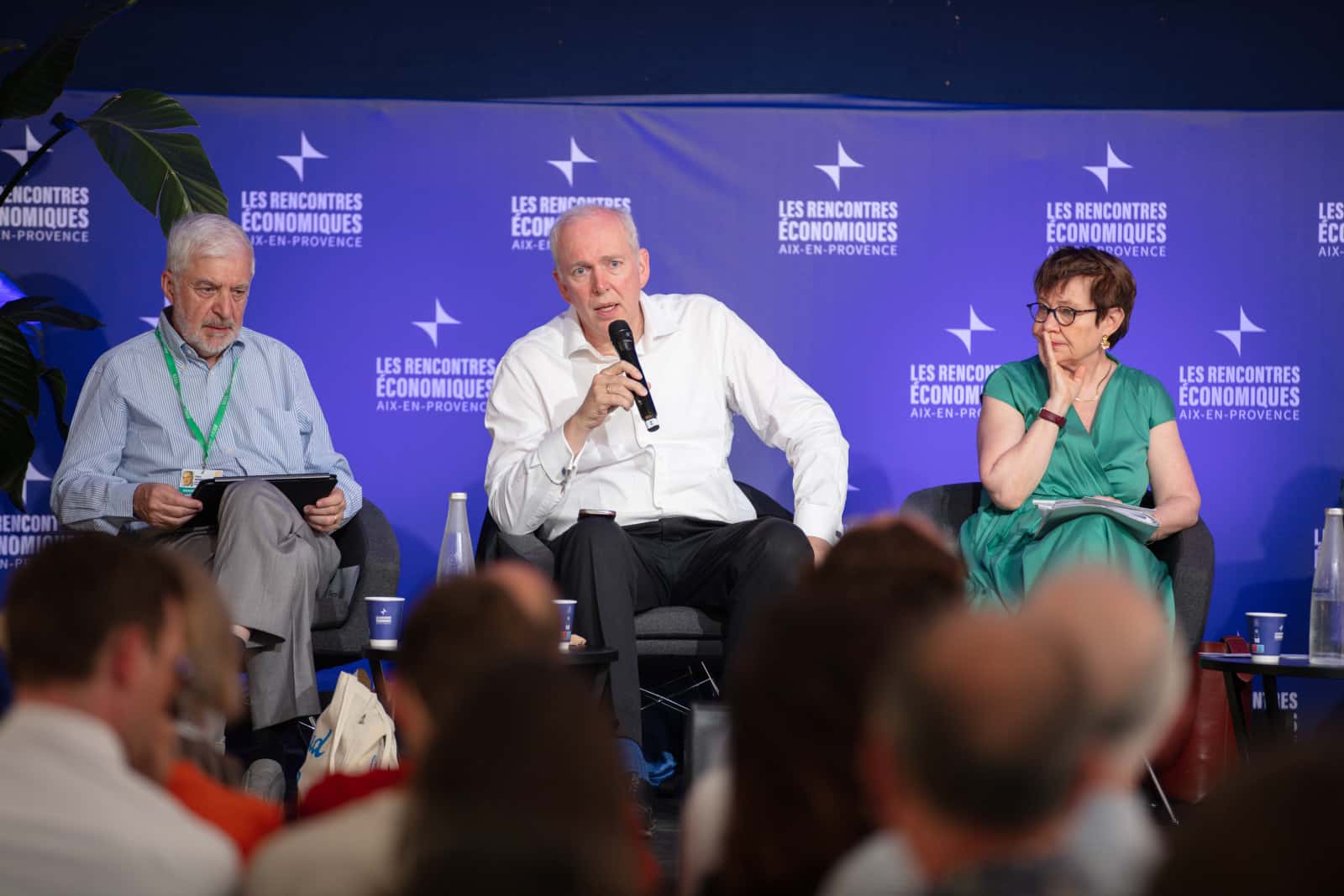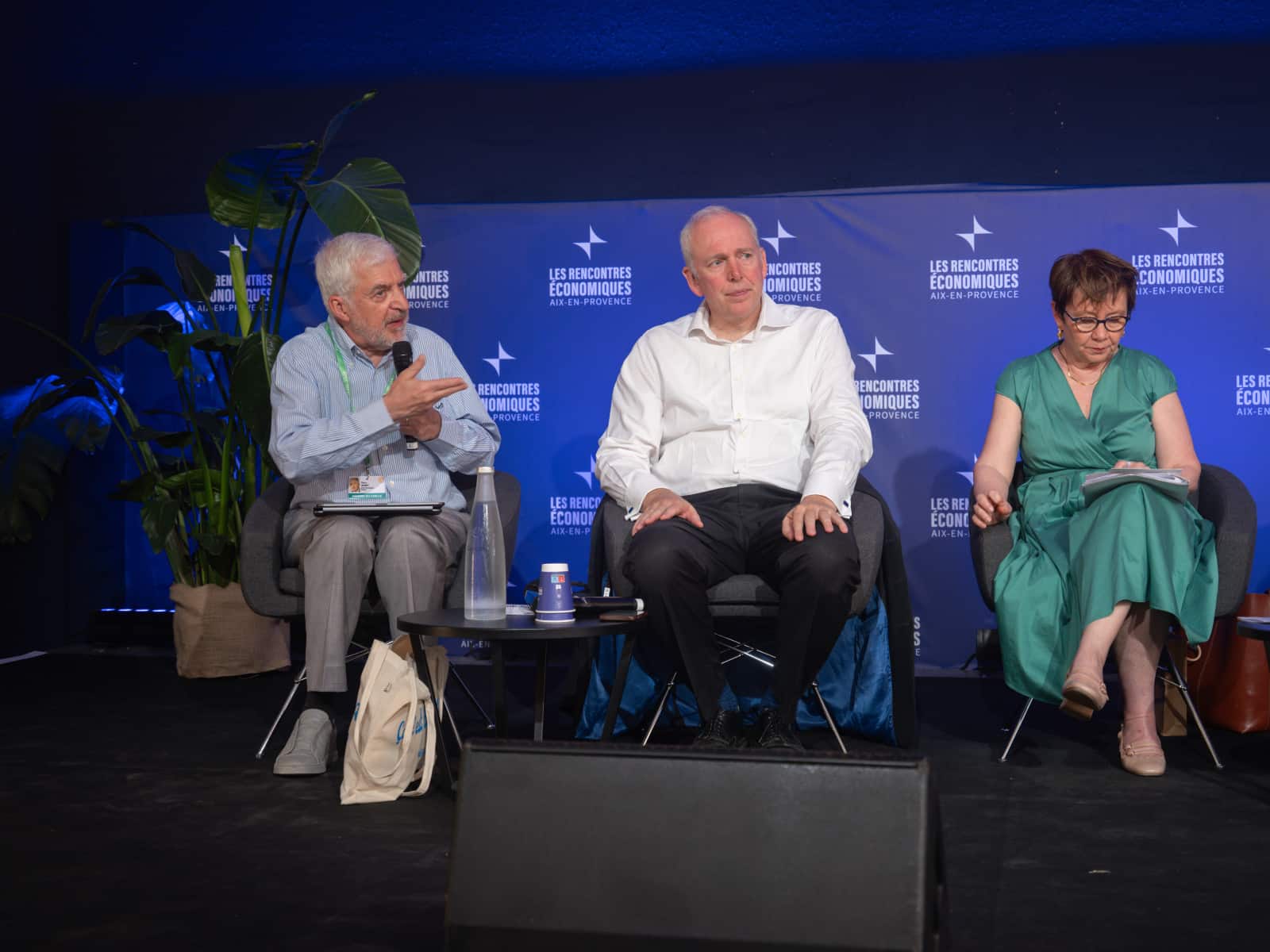



Identifier les voies de financement pour un monde apaisé
Résumé
In a peaceful world that recognizes the structural importance of interdependence, international finance should fulfill three essential functions: allocating resources toward productive investments, particularly global public goods that markets tend to neglect; redistributing wealth to reduce inequalities between nations; and rapidly mobilizing resources in response to shocks such as pandemics, climate disasters, and humanitarian crises. Yet the current architecture is failing on all three fronts — and not merely because of insufficient financing volumes.
Resource allocation remains dominated by short-term return logic, leading to chronic underinvestment in the energy transition, global health, biodiversity, and global public goods more broadly. International cooperation flows — key instruments for stability, development, and crisis prevention — are now facing major cuts in Western public budgets. As for responses to shocks, whether COVID-19 or other crises, existing mechanisms are often slow, fragmented, and inequitable.
How can this architecture be redesigned? Are multilateral institutions still fulfilling their role, and how should they be reformed? Which new instruments — such as Special Drawing Rights, common-good bonds, or debt relief mechanisms — could help move forward? And is it possible to mobilize private actors in the pursuit of the public interest, and if so, how?
Intervenants
-
Banque européenne d'investissement

-
Banque Interaméricaine de Développement

-
Banque Européenne pour la Reconstruction et le Développement (BERD)

Coordinateur
Modérateur

Photothèque