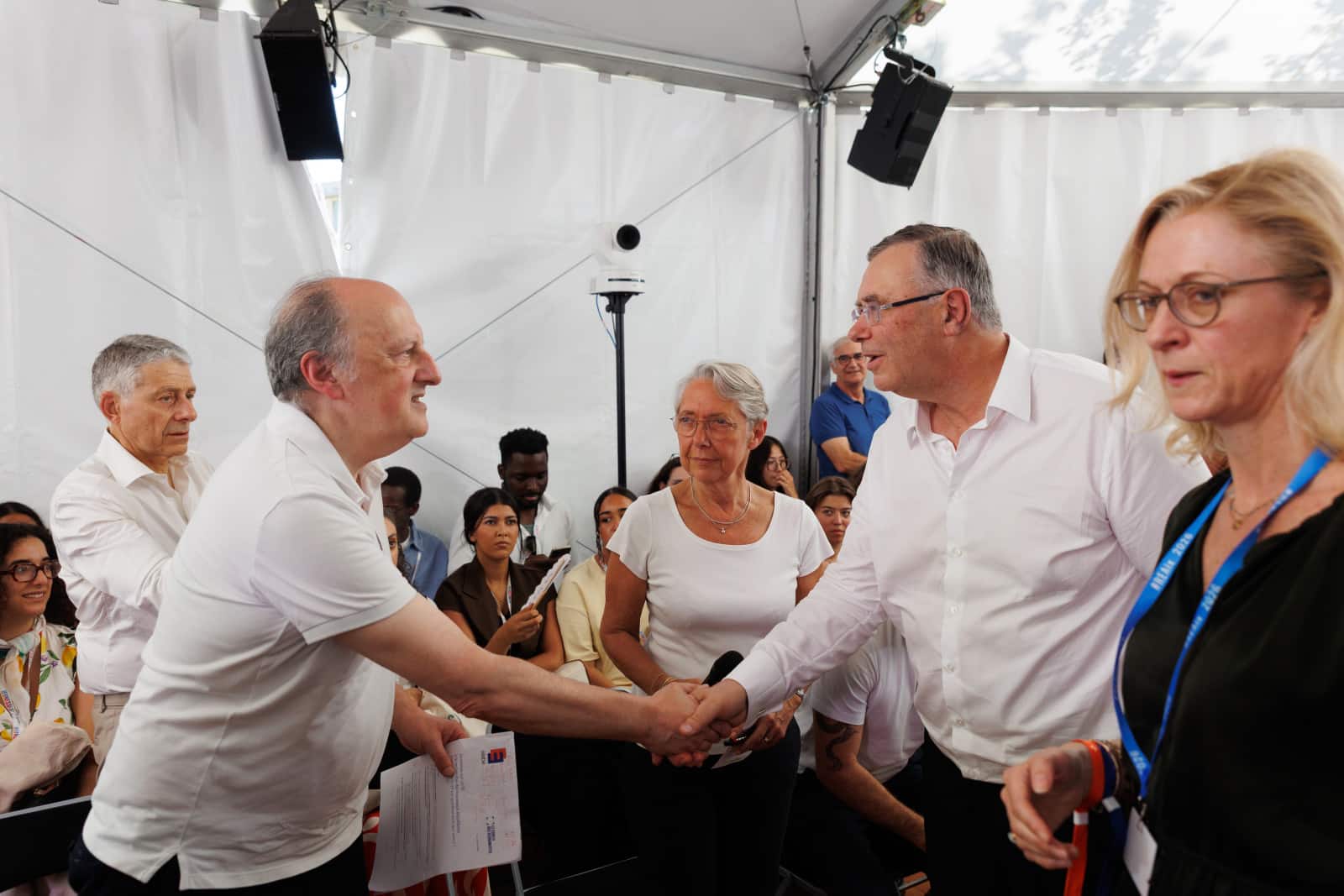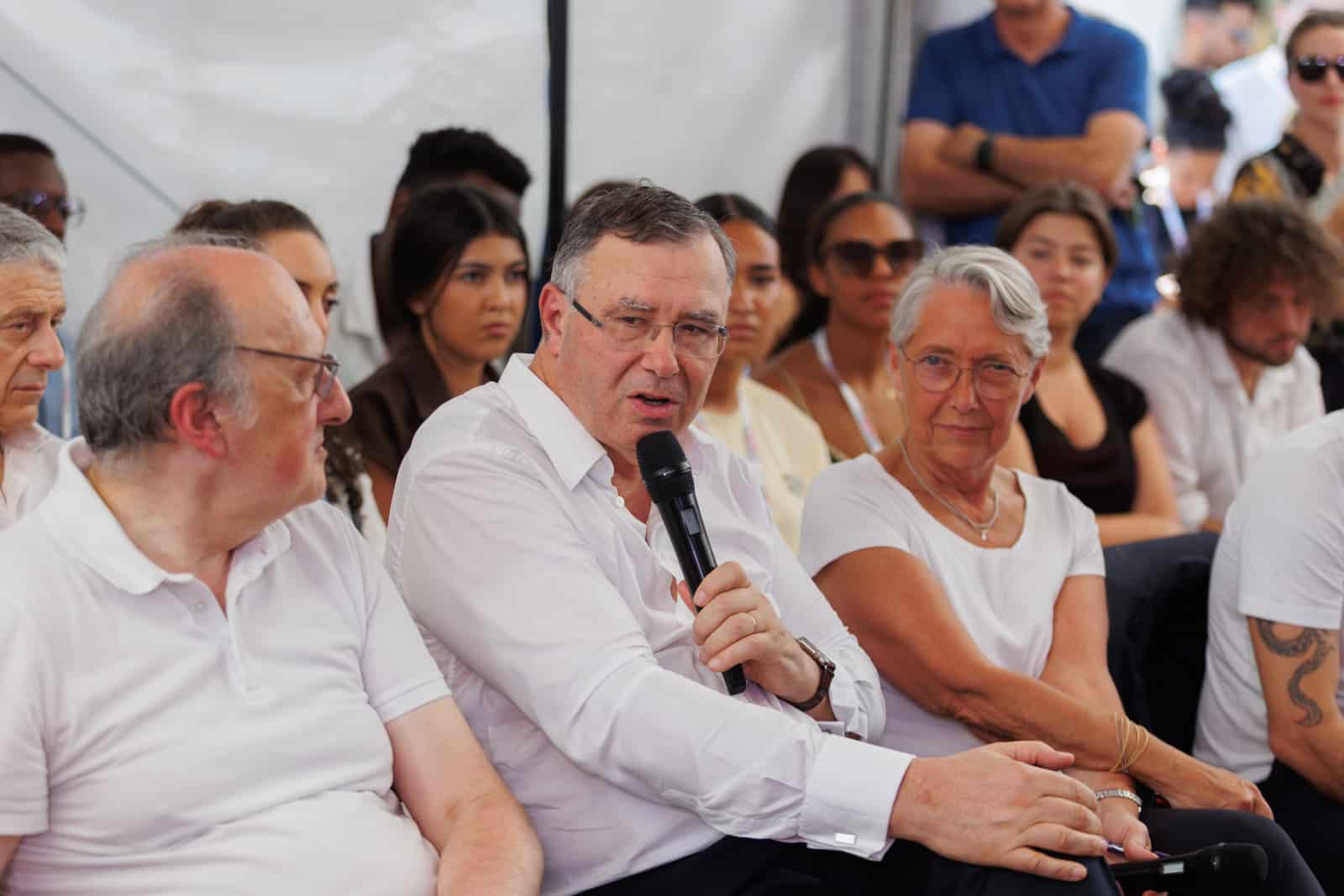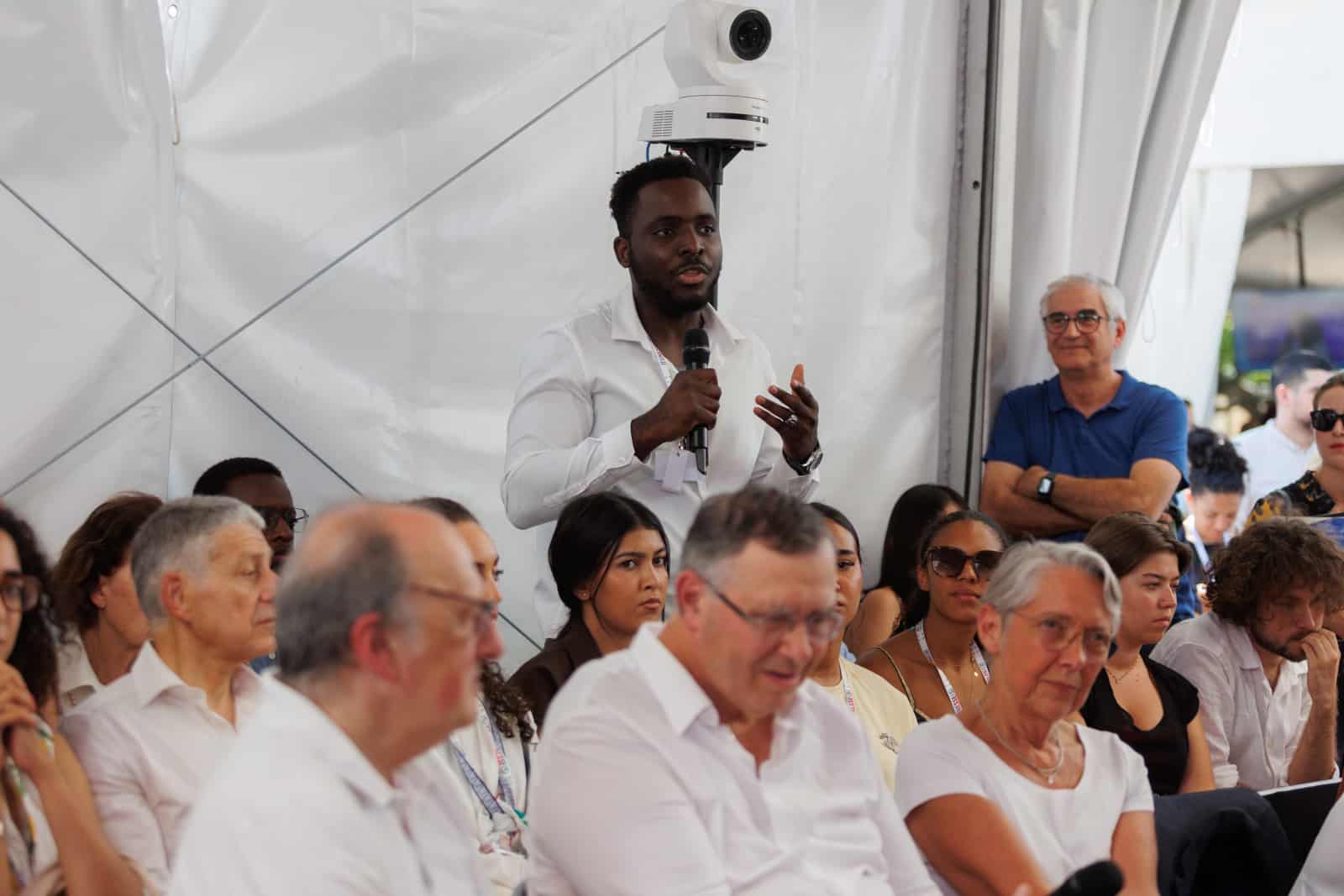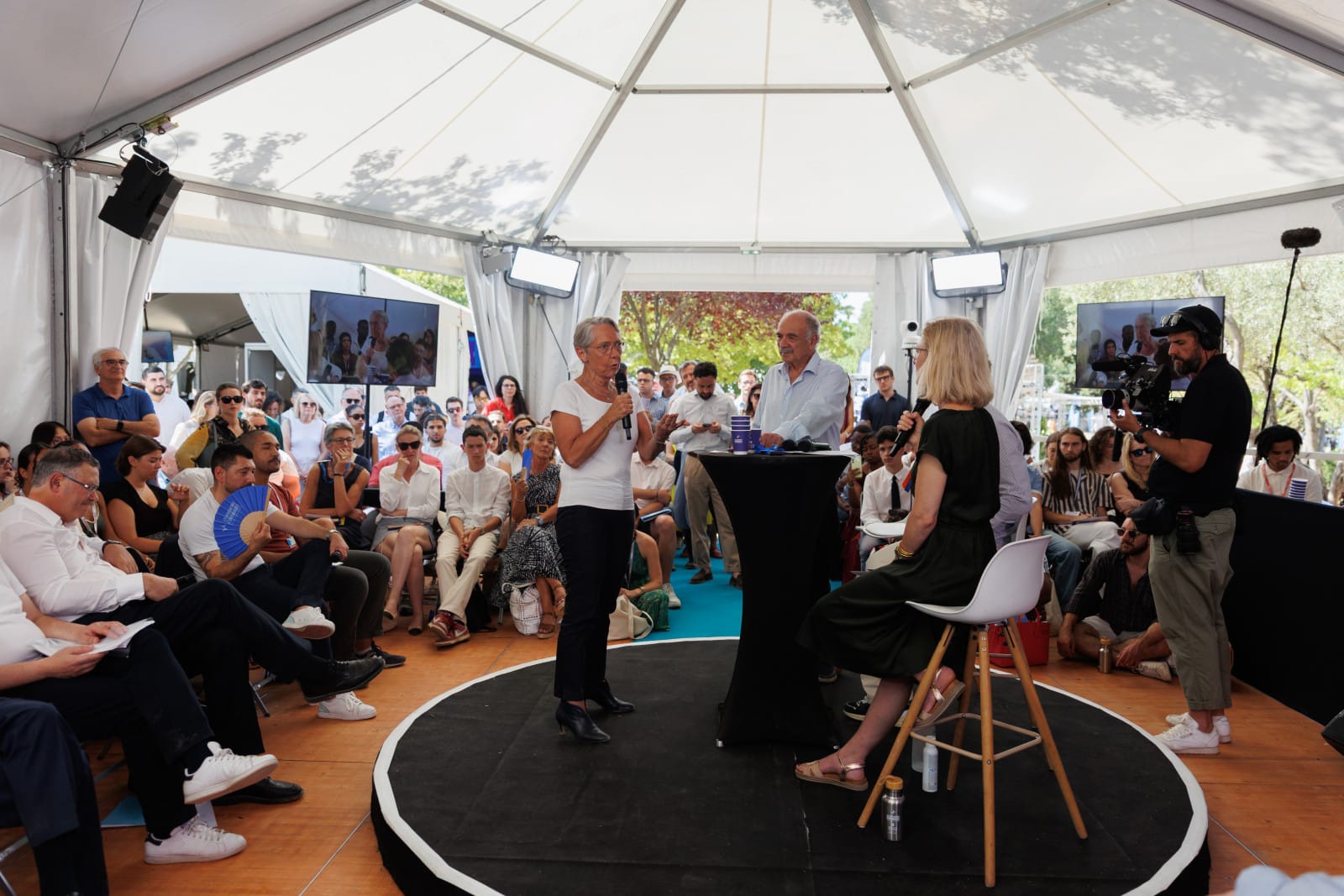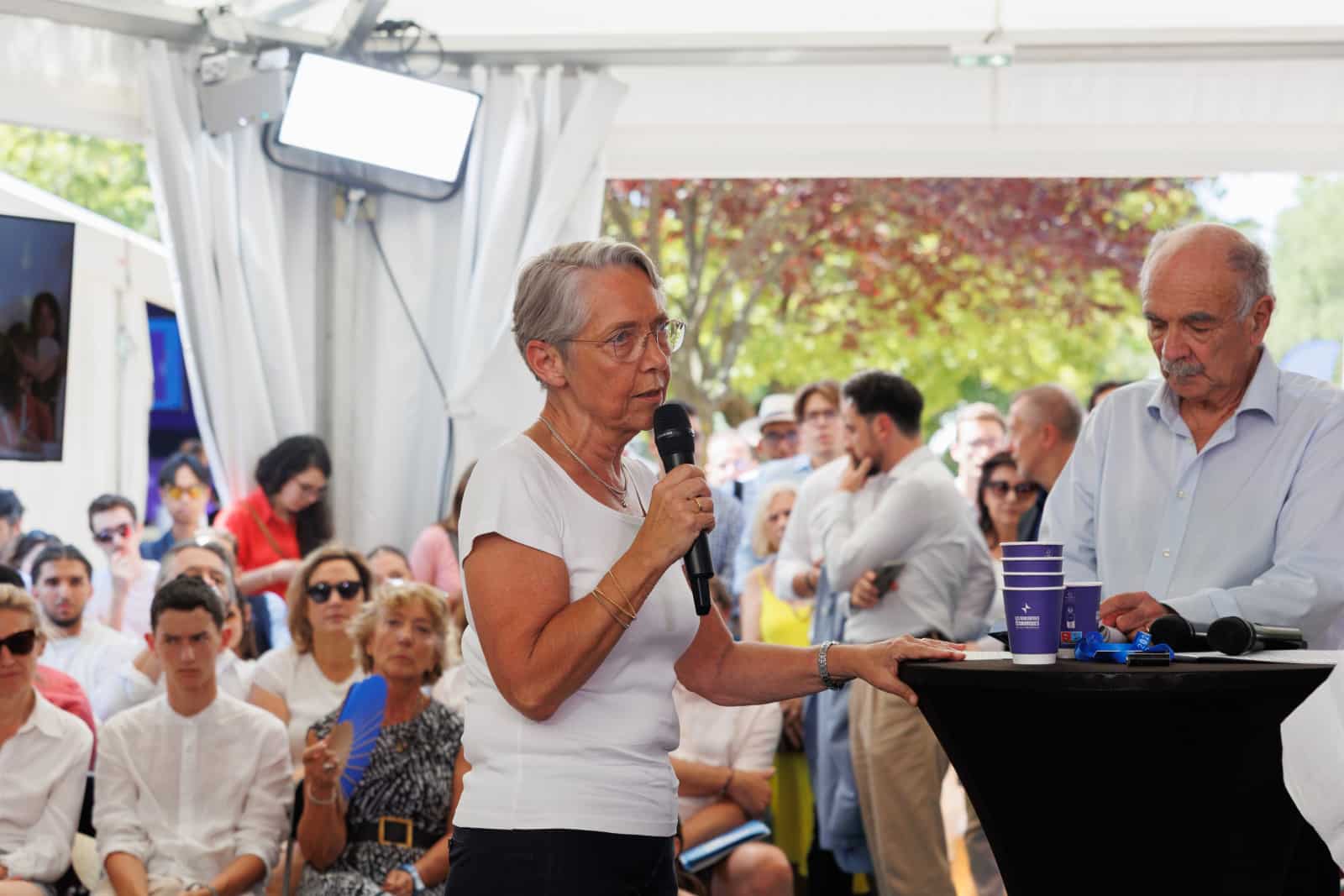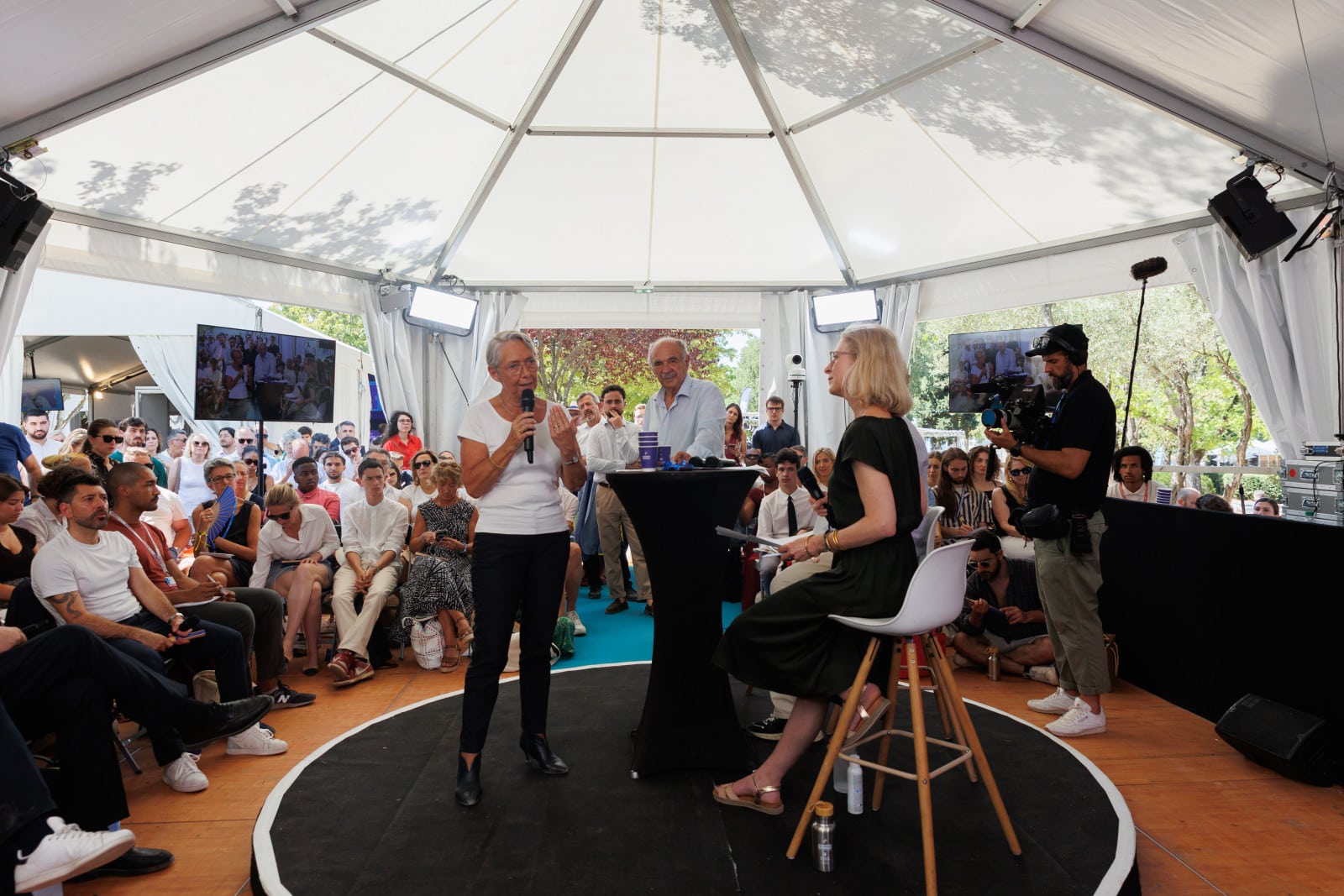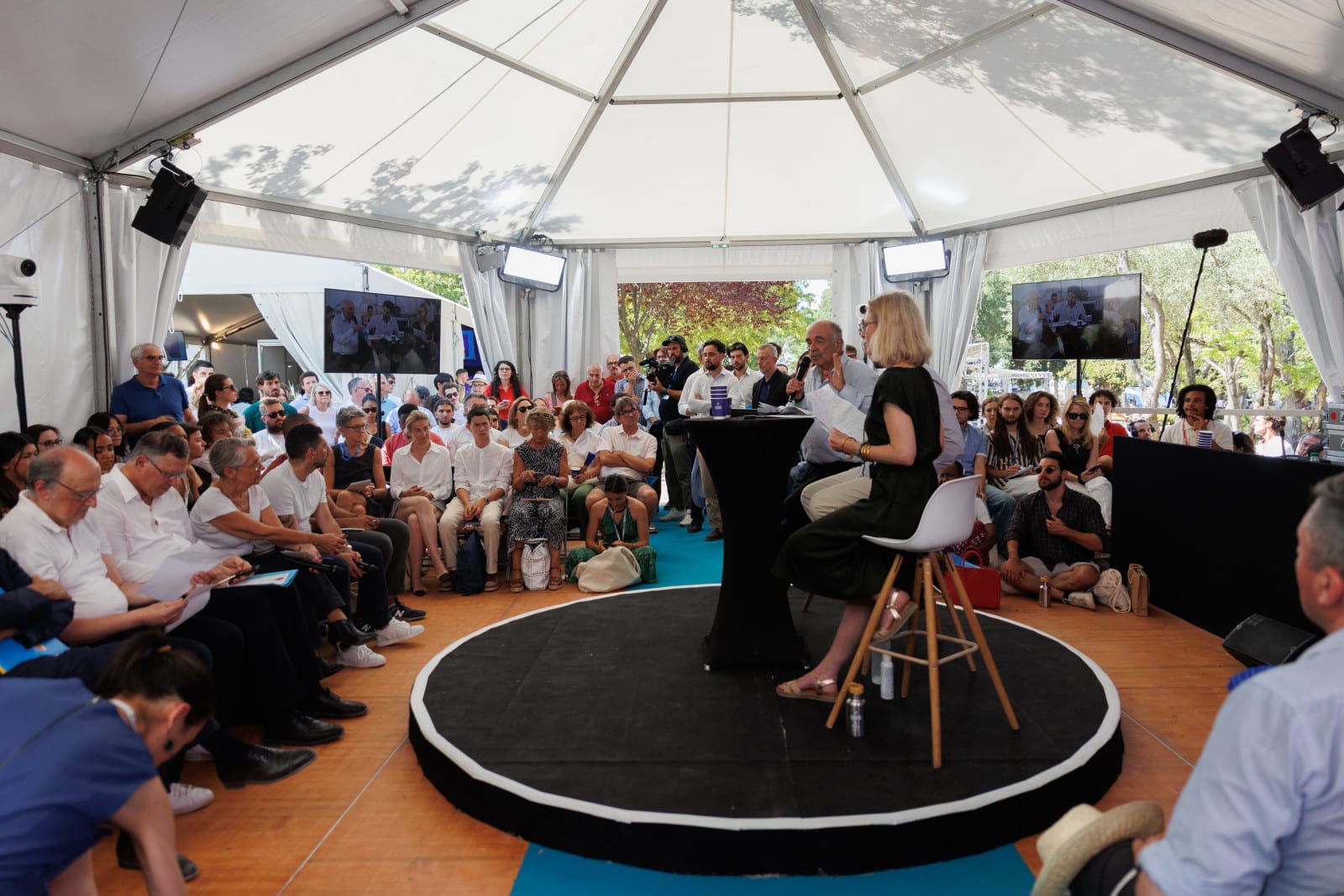



Donner vraiment la parole à la jeunesse ?
Résumé
78% of young people feel they are not heard in public debate, a perception that creates a sense of invisibility and encourages self-censorship, preventing them from fully expressing their voice. Participation in society is a proactive effort and must be embraced by all stakeholders. When discussing youth, it is important to recognize the existence of multiple “youths” shaped by different social backgrounds and generations, all of whom must build connections in order to foster mutual understanding with decision-makers (politicians, companies, and the media).
Young people therefore make their voices heard through various means (cinema, music, etc.) and via platforms (social media or television programs) designed to reach the widest possible audience. All stakeholders must therefore remain attentive in order to encourage communication. Yet, decisions are often slow to be implemented, and their effects are not immediate.
So, while the participation of young people (aged 15–29) in society is a major issue, how could involving them in decision-making processes—while also encouraging their critical thinking and initiative—serve the public good?
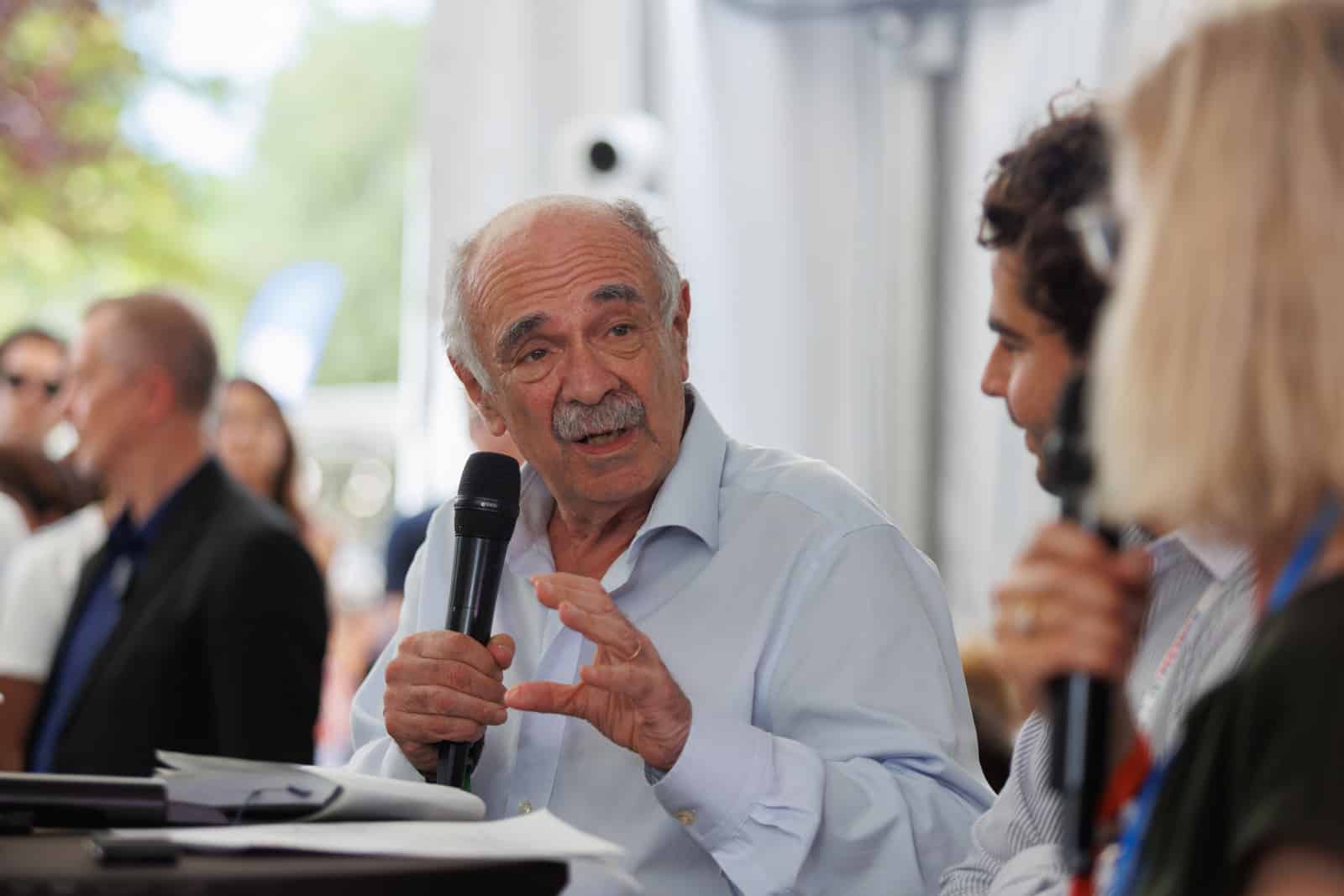
Intervenants



Modérateur

Photothèque