


Restoring Economic Planning
Overview
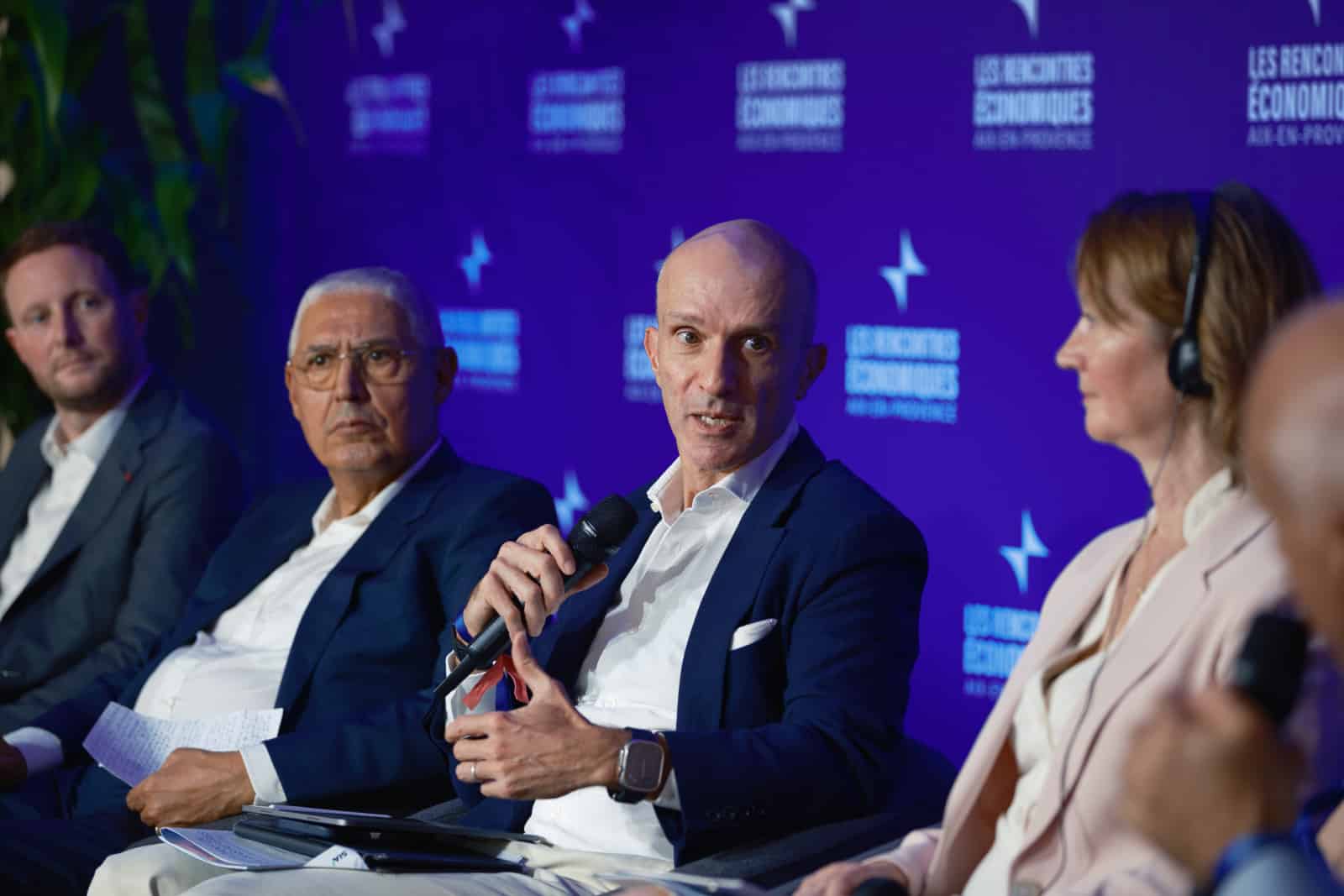
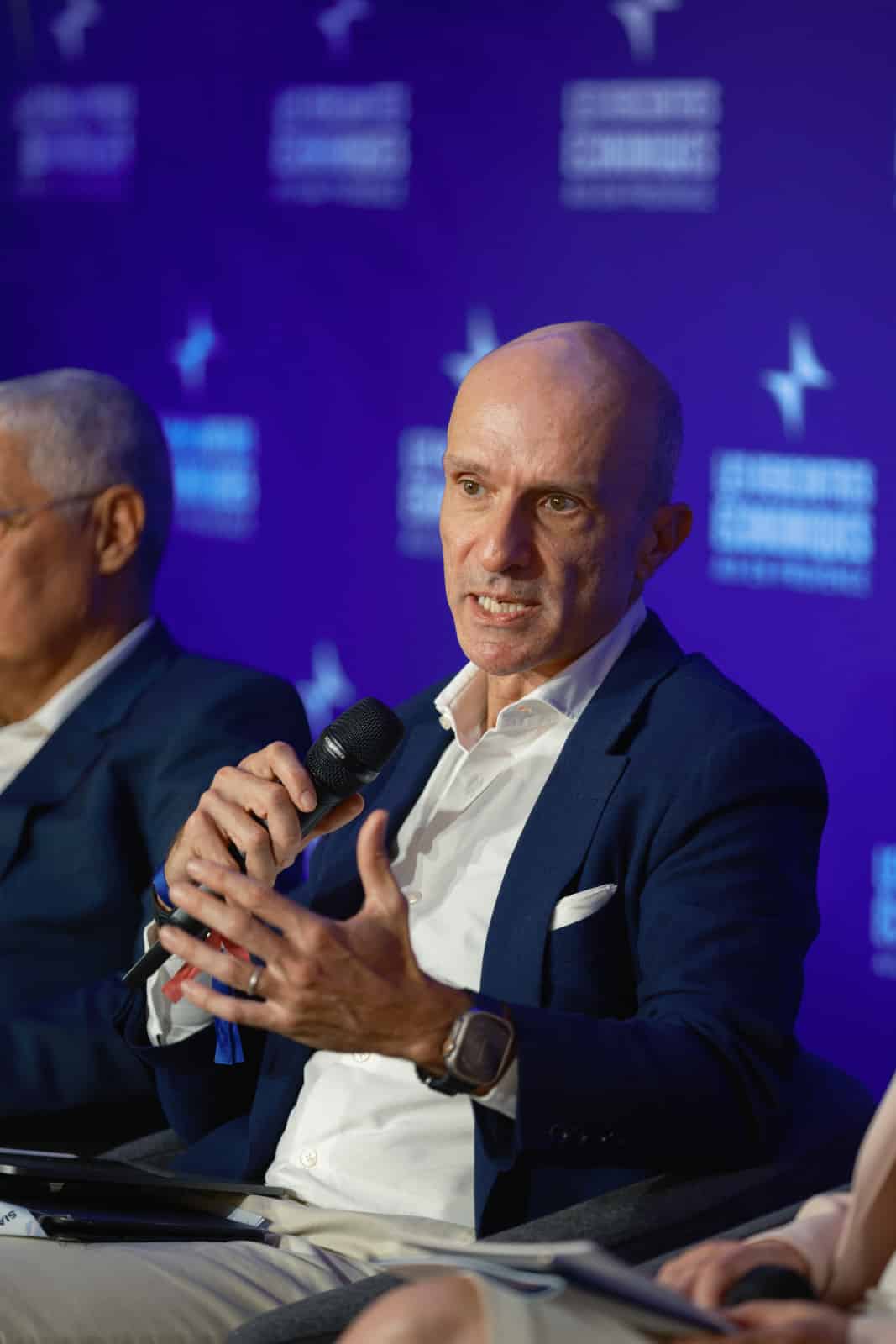
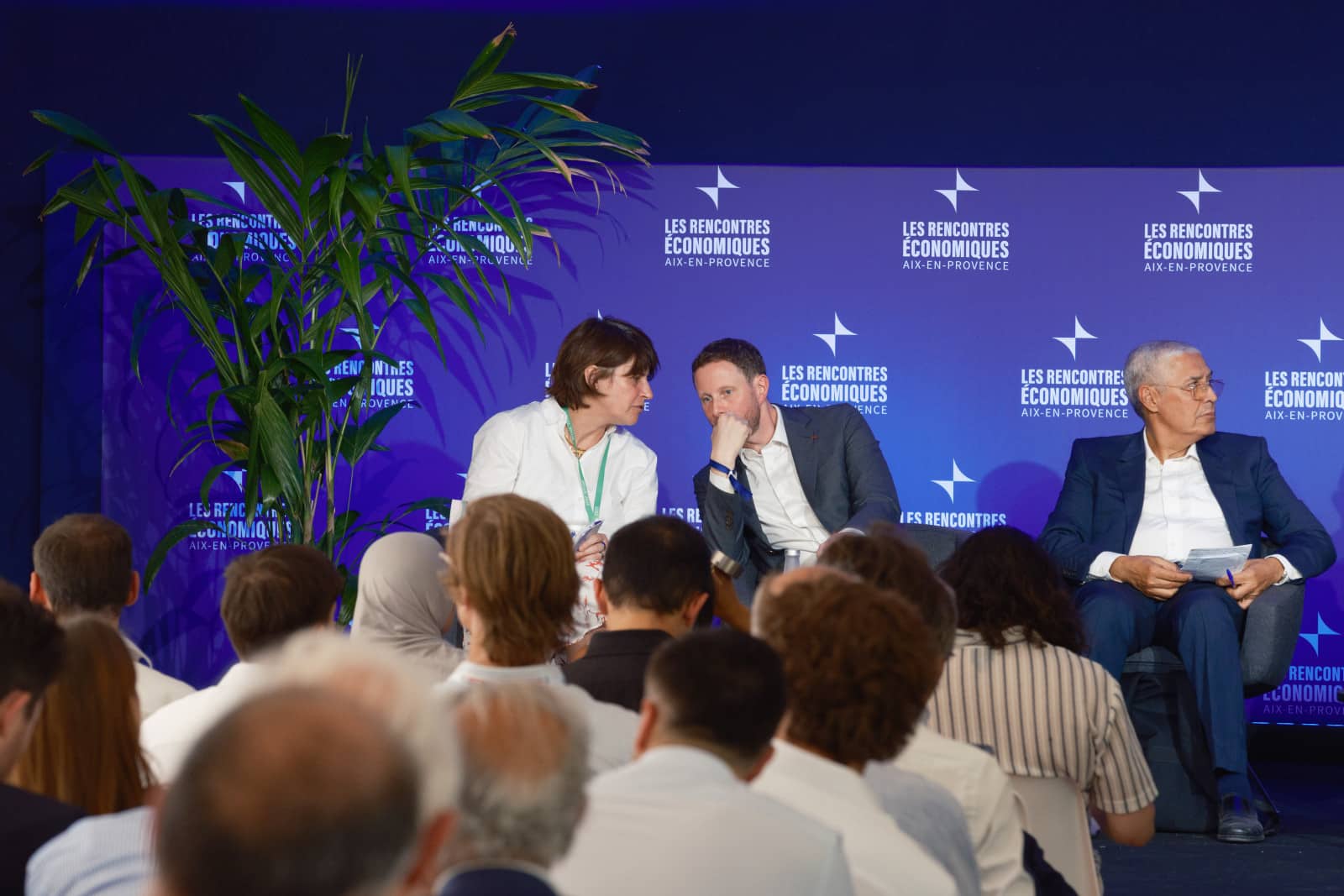
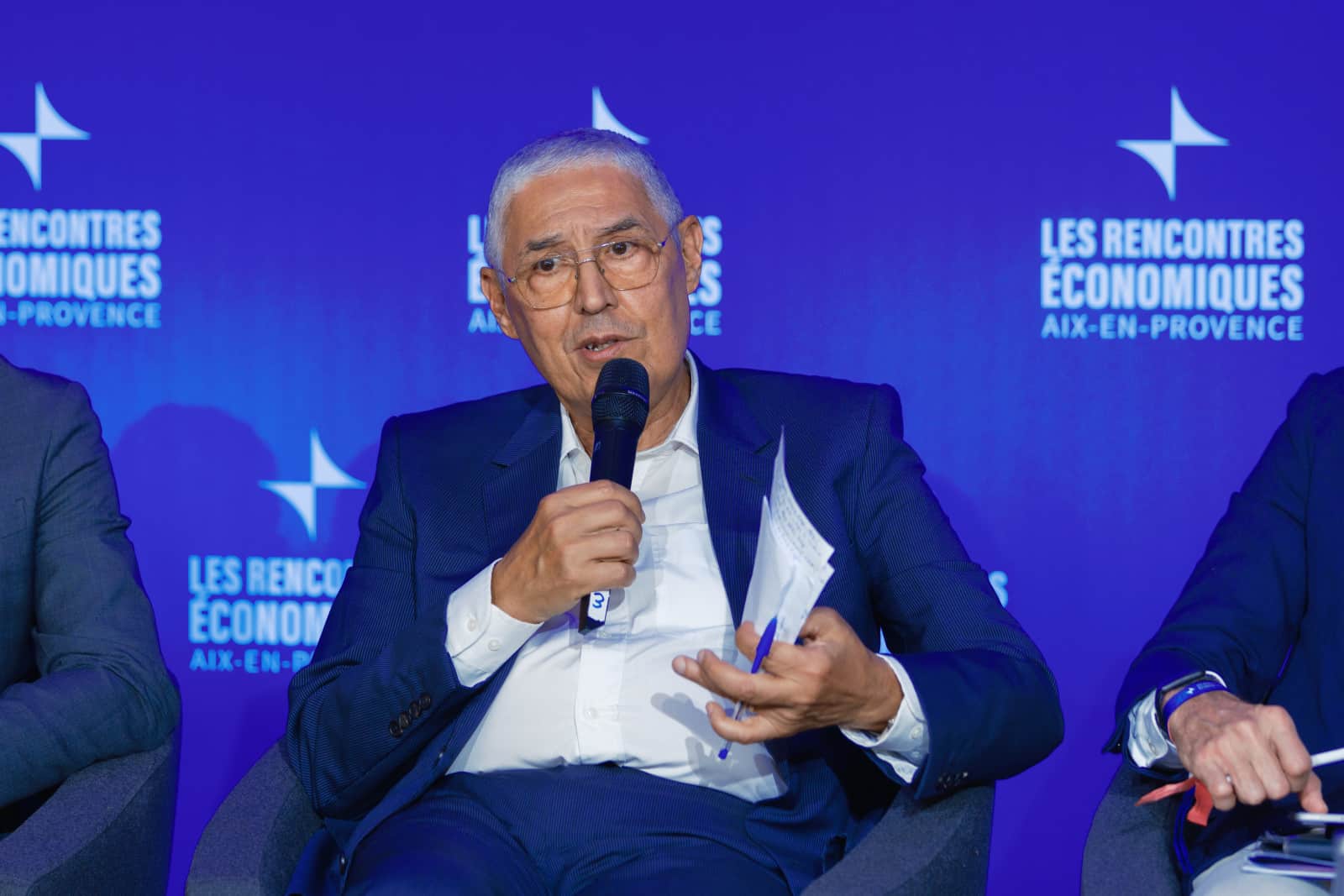
To succeed in economic planning in the 21st century, we must break away from the post-war vertical model and reinvent “planning and strategy.” Today, the state no longer controls prices or credit but acts as a strategist in an open economy: it co-invests with the private sector to steer, among other things, the ecological and digital transitions. In this context, French and European sovereignty no longer depends on physical borders but on mastering fragmented and complex value chains.
Industrial regulation thus becomes one of its master weapons. Whoever sets the standard sets the market: by imposing strict environmental and technical certification criteria (such as the carbon border adjustment mechanism), Europe can legitimately protect its industries without resorting to tariff protectionism.
However, the central challenge of this new planning lies in articulating the different scales. While France possesses political agility and critical assets (such as nuclear energy), it must rely on the market power of the European Union to compete with American and Chinese giants. The challenge is clear: how can we implement a new form of planning to achieve a Europe that is an industrial powerhouse?
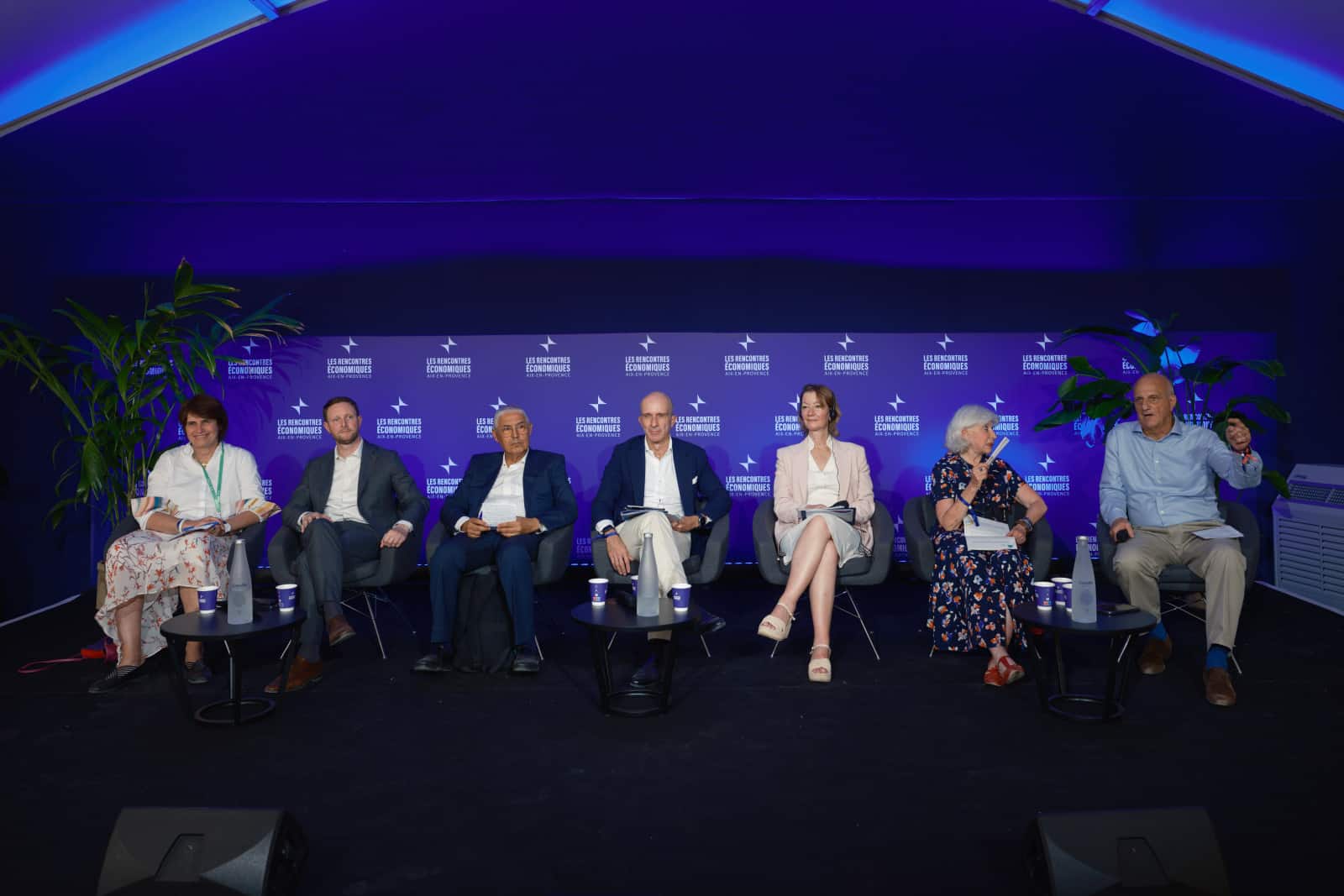
Speakers
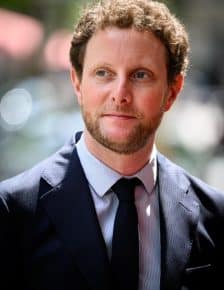




Coordinator

Moderator

Photo gallery